
If your drains are backing up or your sewer line keeps clogging, hydro jetting might be the solution. It’s one of the most effective ways to clear tough blockages and restore flow in your plumbing system. But what exactly is hydro jetting—and how does it work?
Let’s break it down.
What Is Hydro Jetting?
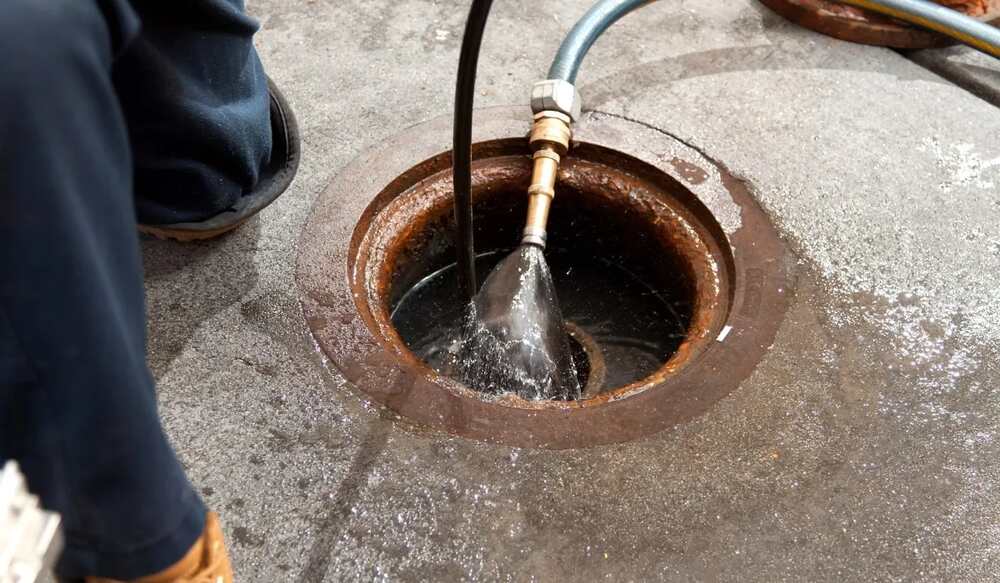
Hydro jetting is a plumbing method that uses high-pressure water to clean the inside of pipes. Unlike traditional snaking, which punches through a clog, hydro jetting scours the pipe walls completely, removing years of buildup in one go.
The tool used is a special hose and nozzle connected to a powerful water pump. It blasts water through your pipes at up to 4,000 PSI, cutting through grease, scale, roots, and debris.
This isn’t a light rinse. It’s deep cleaning for your plumbing.
How Does Hydro Jetting Work?
Here’s the typical step-by-step process:
-
Camera Inspection
Before anything else, a plumber sends a video camera into the line. This shows the condition of the pipes and helps identify the exact location of the clog or buildup. It also helps determine if hydro jetting is safe for the pipe material. -
Access Point Setup
The plumber finds the cleanout (an access point to your main line). If no cleanout is available, they may need to install one or access through another point. -
Jetting Begins
A flexible hose with a jetting nozzle is fed into the pipe. The plumber turns on the high-pressure water. The nozzle blasts water forward to break up clogs and backward to flush debris out. -
Full Pipe Cleaning
The nozzle travels down the line, scrubbing the entire interior of the pipe. Grease, sludge, tree roots, and mineral scale are all cleared away. -
Final Inspection
The camera is used again to ensure the pipe is clean and free-flowing.
What Can Hydro Jetting Remove?
Hydro jetting is ideal for:
-
Hardened grease in kitchen lines
-
Sludge buildup in sewer pipes
-
Soap scum and scale from drains
-
Tree roots that intrude into sewer lines
-
Sand or silt buildup in outdoor drains
It works on both residential and commercial plumbing systems and is often used in restaurants, apartment complexes, and older homes.
When Should You Use Hydro Jetting Instead of Snaking?
Snaking, or cabling, is a common way to break through a clog. But it’s not always enough—especially if the issue keeps coming back.
Use hydro jetting when:
-
You’ve had the same drain snaked more than once
-
The clog is caused by grease or sludge, not a foreign object
-
You want to prevent future buildup, not just fix the current issue
-
The camera shows buildup or root intrusion along a large section of pipe
A snake clears a path. A jet cleans the whole road.
Is Hydro Jetting Safe for Old Pipes?
That depends.
If your plumbing system has old, brittle, or corroded pipes—especially cast iron or clay—then blasting them with thousands of PSI might do more harm than good.
That’s why video inspection is critical. A licensed plumber will evaluate the condition of your pipes first. If there’s a risk of collapse or cracking, they’ll recommend an alternative method or use lower pressure settings.
In newer systems or stable older lines, hydro jetting is very safe and extremely effective.
How Much Does Hydro Jetting Cost?
Hydro jetting usually costs between $300 and $800. The total price depends on:
-
The length and size of the line
-
Severity of the blockage
-
If a cleanout is available
-
If inspection is included
-
The plumber’s labor rate and local pricing
It’s more expensive than basic snaking but cheaper than dealing with recurring clogs or sewer backups. It’s also much less disruptive than digging up and replacing sewer lines.
Does Hydro Jetting Prevent Future Clogs?
Yes, that’s one of its biggest benefits.
Snaking removes part of the clog. Hydro jetting cleans the entire pipe interior, eliminating the layers of buildup that cause future clogs. After jetting, your pipes are nearly as clean as the day they were installed.
Many homeowners use hydro jetting as preventative maintenance every 1–2 years. In kitchens where grease buildup is common, or in homes with frequent backups, this can keep your drains flowing freely year-round.
Pros and Cons of Hydro Jetting
| Pros | Cons |
|---|---|
| Clears entire pipe wall | Not safe for fragile pipes |
| Removes grease, sludge, roots | More expensive than snaking |
| Long-lasting results | May require a cleanout installation |
| Non-invasive (no digging required) | Not DIY-friendly |
| Works on all pipe sizes | Requires camera inspection beforehand |
What Types of Homes or Buildings Need It?
Hydro jetting is common in:
-
Older homes with recurring sewer issues
-
Restaurants and commercial kitchens
-
Multi-unit properties with shared drain lines
-
Homes with large trees whose roots invade sewer pipes
-
Properties on septic systems that clog often
If your plumber has already cleared the line once and it keeps backing up, hydro jetting is likely the next step.
Is Hydro Jetting Safe for Septic Systems?
Yes—with a big qualifier.
Hydro jetting can clean the lines leading into a septic tank. But it should never be used inside the tank itself. The pressure is too high and could damage the baffles or structure of the tank.
Make sure your plumber is experienced with septic systems if that’s part of your setup.
Signs You Might Need Hydro Jetting
Watch for these signs:
-
Slow draining sinks, tubs, or toilets
-
Recurring clogs in the same spot
-
Gurgling noises or air bubbles from drains
-
Sewage smells coming from your drains or yard
-
Water backing up in lower-level fixtures (basement, first floor)
These are often symptoms of deeper issues that hydro jetting can solve more effectively than a basic drain snake.
How Often Should You Hydro Jet Your Pipes?
Most homes don’t need it more than every 12 to 24 months. If you have an older system or a commercial kitchen with heavy use, once a year may be ideal.
For homeowners using it as preventive maintenance, schedule jetting every 18–24 months depending on your plumbing history.
When to Call a Professional
Hydro jetting is not a DIY job.
You need the right equipment, inspection tools, and the skill to avoid damaging pipes or making the problem worse. More importantly, you need someone who can:
-
Do a full camera inspection
-
Understand your pipe materials
-
Adjust water pressure safely
-
Handle any issues found during the process
Always choose a licensed plumber with hydro jetting experience. Ask if they offer camera inspections, and make sure they’re insured.
Serving Santa Rosa and Sonoma County Homes
If you’re dealing with tough sewer clogs or constant backups, Super Service Plumbing offers professional hydro jetting services for homes and businesses across Santa Rosa and the surrounding area.
We’ve been serving Sonoma County since 1982, and our team uses advanced inspection tools and commercial-grade jetting systems to restore full flow and peace of mind.
Whether you need emergency jetting today or want to schedule preventive maintenance, we’re here 24/7.
Call Super Service Plumbing at (707) 544-6444 or book an appointment online to learn more.